
Flight Tickets Cost: How to Book Cheaper Flights Today
Finding an affordable way to travel often feels like trying to hit a moving target, especially when flight tickets cost fluctuate wildly based on search history, booking windows, and seasonal demand. If you are tired of watching prices jump hundreds of dollars overnight, you need a clearer picture of how modern airline pricing actually operates. Securing a fair deal requires more than just luck or clearing your browser cookies. By understanding the underlying mechanics of airfares, you can take control of your travel budget and stop overpaying for the exact same seat someone else bought for half price.
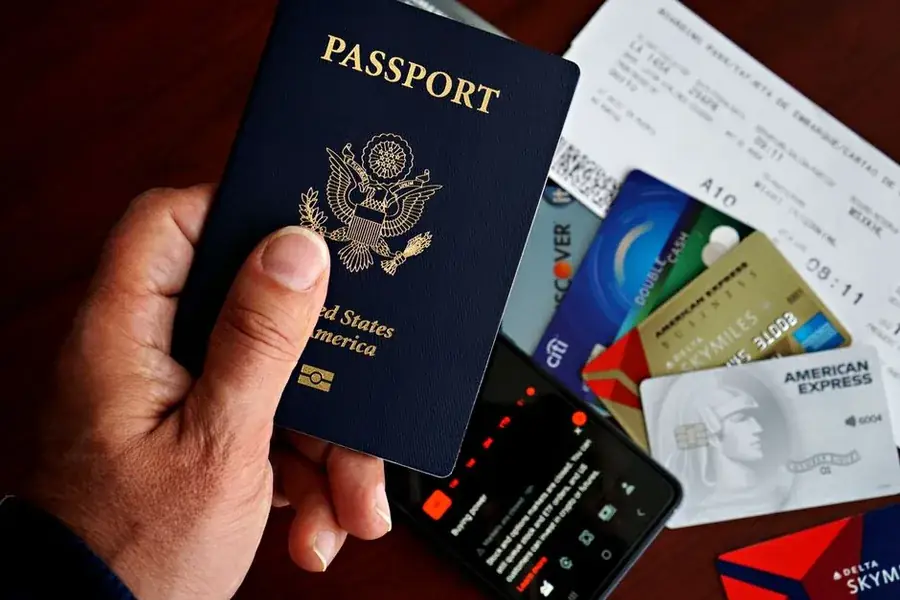
The total flight tickets cost is shaped by a complex mix of fuel prices, carrier competition, seasonal surges, and dynamic algorithmic adjustments. Airlines rarely keep prices static; instead, they rely on automated yield management systems that shift ticket prices multiple times a day. For travelers, this means that waiting too long or booking on the wrong day of the week can instantly inflate your vacation budget. Knowing how to read these market signals helps you time your purchases effectively.
Key facts to know first
When tracking flight tickets cost patterns, data shows that booking domestic flights roughly three to six weeks in advance often hits the sweet spot for pricing. Taxes, security fees, and carrier-imposed surcharges account for a substantial portion of your final checkout total. Furthermore, unbundled ticketing models mean that basic economy fares often exclude carry-on bags or seat selection, shifting ancillary costs to the passenger after purchase.
What most people get wrong
Many flyers still believe that searching in incognito mode or booking exclusively on a Tuesday morning will automatically unlock the cheapest rates. In reality, airline pricing algorithms respond to seat availability, route popularity, and historical booking velocities rather than individual browser cookies. Another common misconception is that last-minute deals are always bargains, whereas airlines typically jack up prices steeply during the final two weeks before departure.
Mastering the Booking Timeline and Seasonality
Timing your purchase remains one of the most reliable ways to manage your overall flight tickets cost. Booking a summer holiday or a Thanksgiving getaway requires a completely different timeline than booking a standard off-season trip. For major holidays, fares often reach their lowest point weeks ahead of departure before spiking sharply as inventory dwindles.
Flexibility with your departure days can also yield massive savings. Flying on actual holidays like Thanksgiving Day or Christmas Day often cuts ticket prices significantly compared to traveling on the peak rush days immediately before. Additionally, utilizing external resources like Google Flights can help you monitor these pricing shifts effortlessly.
Evaluating Alternative Airports and Layovers
When direct routes command exorbitant prices, expanding your search to secondary airports can drastically reduce your flight tickets cost. Larger metropolitan areas often feature smaller regional hubs where landing fees are lower, resulting in cheaper carrier rates. Even after factoring in a short train ride or a longer drive to the alternative terminal, the net savings on a family trip can easily reach hundreds of dollars.

It also pays to weigh the trade-offs of booking itineraries with layovers instead of direct flights. While direct connections save time and eliminate the risk of missed connections, airlines routinely price them at a premium. Choosing a single, well-timed layover can force legacy carriers to compete more aggressively for your business.
Frequently Asked Questions
Does clearing my browser cookies actually lower flight ticket prices?
No, airlines adjust prices based on seat inventory, route demand, and booking velocity, not your personal browser history. Pricing algorithms treat all users looking at the same seat class equally at any given moment.
How far in advance should I book international flights?
For international travel, the optimal booking window generally opens four to seven months prior to departure. Booking too early means airlines haven’t released promotional inventory, while waiting too long exposes you to steep last-minute surges.
Are basic economy tickets always the cheapest option overall?
Not always, because basic economy fares exclude checked bags, carry-ons, and seat selection fees. Once you add those mandatory extras back in, standard economy tickets often provide better overall value.
Is it cheaper to book a round-trip ticket or two one-way tickets?
Historically, round-trip tickets offered the best rates, but modern low-cost carriers make booking separate one-way tickets on different airlines completely viable. Always compare both approaches before finalizing your purchase.
Conclusion
Navigating the complexities of flight tickets cost no longer has to feel like a guessing game. By ignoring outdated myths like incognito mode and instead focusing on smart booking windows, alternative airports, and flexible travel days, you can keep your travel budget intact. Start monitoring your preferred routes early, set up reliable price alerts, and approach your next journey with confidence.